The Attention Economy Wants Your Creativity Next
Something is being taken from us. Not suddenly, and not by force. Gradually, and with our consent.
Look at what has been built around us. Platforms engineered to capture attention and hold it. Algorithms that learned, with remarkable precision, how to keep us anxious enough to stay and distracted enough not to notice what we were losing. As Tristan Harris, former design ethicist at Google, put it: it became "a race to the bottom of the brain stem." The average person now spends nearly seven hours a day on digital devices, much of it on platforms designed to override their focus. The World Economic Forum has named this a "humanity deficit" - a widening gap between technological innovation and what it actually means to be human. We started living more inside our screens than inside our lives. The long walk got shorter. The quiet got noisier. AI arrives into all of that.
I find my music outside. When I walk, something arrives before I can name it. A feeling, physical, somewhere in the body. A shape that isn't yet sound. I bring it home, sit at the piano, and shape it into music. That is where my truest work comes from. From being outside, present, unhurried, alive to what is around me.
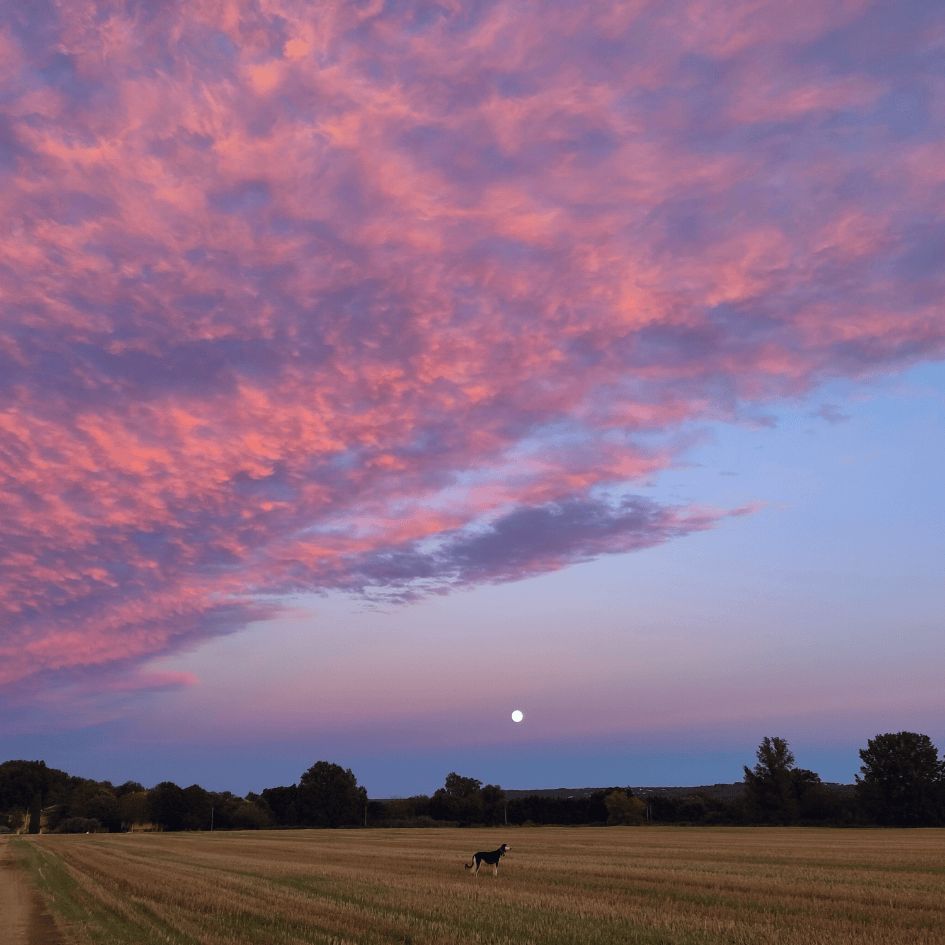
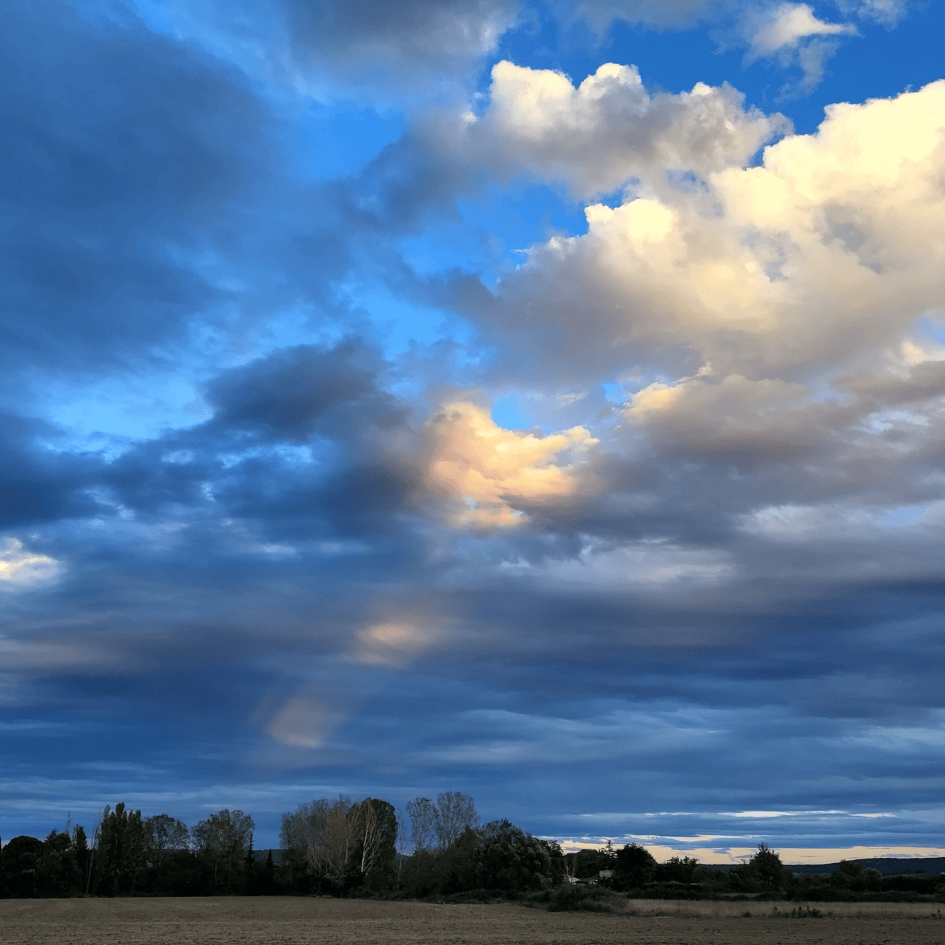
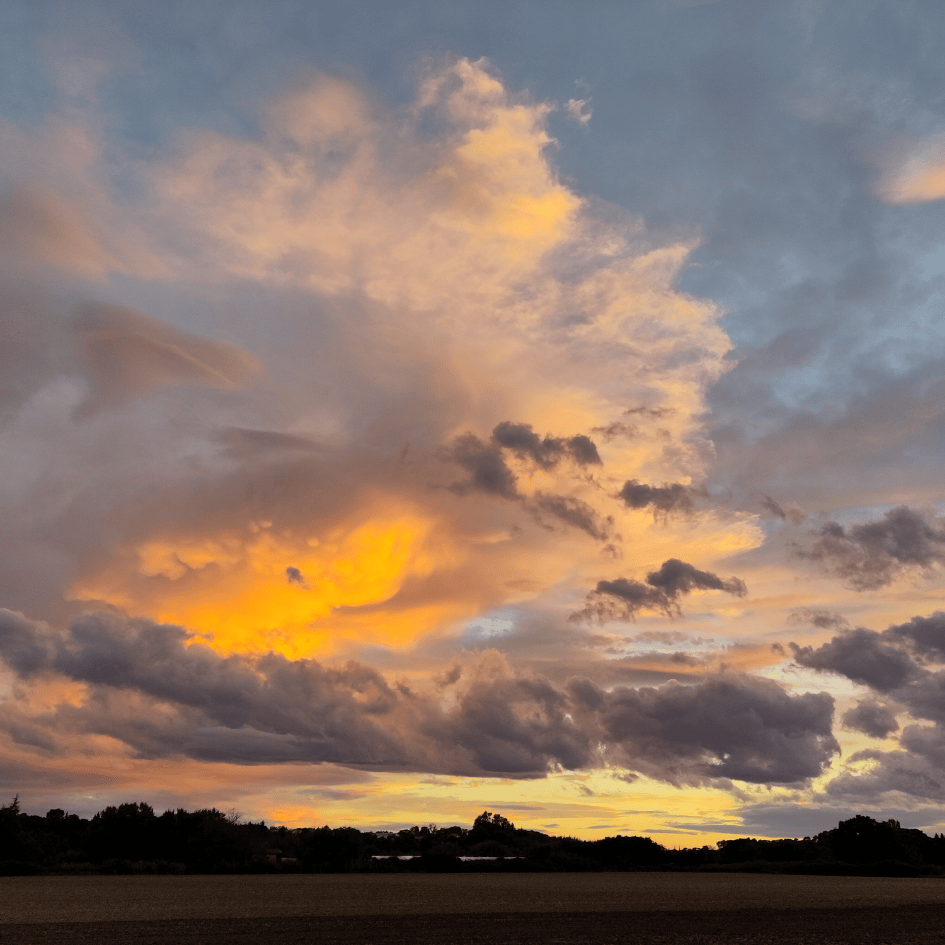

Most people have a version of this. Something they do, or somewhere they go, where they become most fully themselves. Where something real surfaces. It does not have to be music. It just has to be yours. And it always needs the same conditions: stillness, a certain quality of attention, time away from the noise. Research into Attention Restoration Theory confirms that nature specifically replenishes the kind of deep attention that creativity requires, the kind that screen-based environments consistently deplete. These are precisely the conditions that the architecture around us has spent twenty years dismantling.
My daughter drew constantly before she got a smartphone for college. Our kitchen table was always covered in her artwork. She needed the phone, she said - all her friends had one, it was how they coordinated schoolwork. That was reasonable. I bought it. Since then, even with parental controls, the drawing has all but stopped. She has not lost the ability. She has lost the conditions. I wish I had bought her a simple phone instead.
AI does good. It is already finding patterns in medical data that would take humans lifetimes to identify. It is accelerating climate research, helping scientists model systems too complex for unaided human analysis. It is being used to predict natural disasters earlier, to develop clean energy materials, to give people with disabilities new ways to communicate and move through the world. The possibilities are not small. My daughter was dismissed by doctor after doctor. Her symptoms were psychological, they said. I didn't believe them. I put her blood test results and symptoms into an AI and it gave me the diagnosis: functional iron deficiency. I then did the research to verify it, learned a great deal about how iron actually works in the body, and went back to the doctors with evidence. She is finally getting the treatment she needs. That is what AI in the right hands looks like. I use it every day in my work, building systems, designing workflows, writing client communications, and it gives me real time back. I also use Leonardo AI to generate images for my blog. The person writing this piece about protecting human creativity also reaches for an AI image generator.
However, there is a difference between using these tools with intention and using them as a way of skipping the part of the work that is most human. The tools are very good now, and the path of least resistance is very smooth. Suno can generate a complete song, vocals, melody, lyrics, production, from a text prompt in under a minute. When people tell me my music moves them, I don't think it's despite the imperfections. A note held a fraction too long. The slight unevenness in the touch. These are the traces of a human being who felt something while playing, and the listener feels that too. It is one human reaching another. What Suno produces is clean and competent. It leaves you cold because there is nobody on the other end of it.
Midjourney produces images that win art competitions. ChatGPT writes poetry, essays, and novels. GitHub Copilot writes code. Researchers studying Suno in music education found that students given access to the tool stopped trying to find melodies themselves and simply kept clicking generate. One teacher noted: the students gained a song, but did they exercise their ear? When we consistently reach for the generated answer before the question has had time to produce something true, we do not just get a weaker answer. We weaken the capacity that generates answers in the first place. The discomfort of not knowing yet, the empty space before something fills it, is where creativity begins.
We were each given something - a capacity that belongs specifically to us, quietly, and cannot be replicated. The whole architecture of modern technology has no interest in that. What it wants is a person who is too distracted to go outside, too depleted to sit at a piano, too accustomed to being handed things to remember they were once capable of making them. So the act of going outside, of sitting at a piano, of making something from nothing, is not a small private pleasure. It is a refusal. A quiet insistence that this part of you is not available to be automated. Your gift has not gone anywhere. Go outside, feel something, and come back and make it.